Dietitian says low protein intake can affect energy, immunity and hair health
5 signs your body may not be getting enough protein, expert explains
- By Gurmehar --
- Sunday, 17 May, 2026
Many people think protein is only important for bodybuilders, gym lovers or athletes. However, health experts say protein is one of the most essential nutrients needed by everybody, regardless of age or fitness level. From maintaining muscles and immunity to supporting hormones, metabolism, hair and skin health, protein plays an important role in everyday body functions.
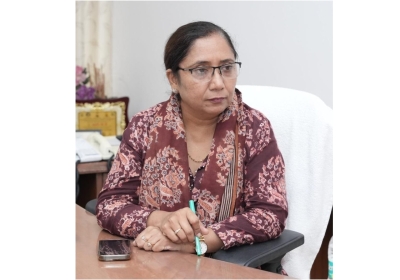
According to dietitian and certified diabetes educator Dr Archana Batra, many people believe they are eating enough protein simply because they consume foods like dal, curd or nuts occasionally. But in reality, protein intake often remains lower than what the body actually needs.
This problem is especially common among women, vegetarians, office workers, elderly people and individuals trying to lose weight through dieting.
Doctors say the body may quietly show several warning signs when protein intake remains low for a long time. These symptoms are often ignored because people do not immediately connect them with nutrition.
Experts explain that protein is needed to build and repair tissues, produce enzymes and hormones, support immunity and maintain healthy muscles, skin and hair.
When the body does not get enough protein, it begins prioritising essential organs and important body functions first. Over time, this may affect other areas of health.
One of the first signs of low protein intake is constant hunger.
Many people feel hungry again very soon after eating meals. Some also experience strong cravings for snacks, sweets or junk food throughout the day.
According to Dr Batra, this may happen because meals rich in refined carbohydrates but low in protein can cause blood sugar levels to rise and fall quickly. This creates cravings and increases the urge to eat repeatedly.
Protein helps people feel full for a longer period because it supports satiety hormones in the body. A protein-rich meal may help control overeating and unnecessary snacking.
For example, a breakfast containing eggs, paneer, Greek yoghurt or sprouts may keep a person fuller compared to meals made mostly of bread, biscuits or sugary cereals.
Another common sign linked to low protein intake is hair fall, weak nails and dull skin.
Hair and nails are mainly made of keratin, which is a type of protein. When protein intake becomes insufficient, the body may stop prioritising hair growth and beauty-related functions.
This can lead to:
Hair thinning
Hair fall
Slow hair growth
Weak nails
Dry or dull skin
Doctors say collagen production may also reduce when protein intake remains poor over time. Collagen is important for maintaining skin elasticity and healthy tissues.
Many people spend money on expensive hair products and skin treatments without realising that nutrition may be one of the main reasons behind these problems.
Fatigue and low energy levels may also point towards inadequate protein consumption.
People often assume tiredness only happens because of poor sleep or stress. However, experts say protein also helps maintain energy stability and muscle recovery.
When protein intake remains low, muscles may not recover properly after daily activity or exercise. Some people may experience body weakness, low stamina or muscle soreness regularly.
ALSO READ: Xi warns US over Taiwan issue during Trump meeting in Beijing
ALSO READ: Russia plans to deploy powerful Sarmat nuclear missile by end of 2026
Dr Batra explains that people who constantly feel exhausted despite sleeping properly should also evaluate their diet.
Protein helps the body make enzymes and supports several important metabolic processes. Without enough protein, the body may struggle to function efficiently.
Another surprising sign is difficulty losing body fat.
Many people trying to lose weight focus only on reducing calories. They skip meals or follow strict diets without paying attention to protein intake.
According to experts, this approach may sometimes backfire.
When the body does not receive enough protein, muscle loss may increase while fat loss slows down. Protein also burns more calories during digestion compared to fats and carbohydrates.
This process is known as the thermic effect of food.
Doctors say balanced protein intake may help preserve muscle mass while supporting healthy fat loss.
People who continue gaining fat or fail to lose weight despite dieting may need to improve the quality of protein in their meals.
Frequent illness and weak immunity may also be connected to low protein intake.
Protein is necessary for building antibodies and immune cells that protect the body from infections.
Dr Batra says people who often catch colds, experience slow wound healing or suffer repeated infections may sometimes have nutritional deficiencies linked to poor protein intake.
Over time, low protein consumption can quietly weaken the immune system without causing obvious symptoms in the beginning.
Health experts stress that protein requirements differ from person to person.
Factors affecting protein needs include:
Age
Body weight
Physical activity
Lifestyle
Hormonal health
Fitness goals
According to Dr Batra, a sedentary adult usually requires around 0.8 to 1 gram of protein per kilogram of body weight each day.
However, active individuals, elderly people, women with hormonal problems and people trying to reduce body fat may need higher amounts.
Doctors also advise spreading protein intake throughout the day instead of eating most protein only during dinner.
Simple Indian foods can provide healthy protein if included regularly in meals.
These include:
Dal
Paneer
Curd
Greek yoghurt
Eggs
Tofu
Soy products
Fish
Chicken
Sprouts
Nuts
Seeds
Pulses
Experts say combining different protein sources may improve overall nutrition, especially for vegetarians.
For example, eating dal with rice or roti with paneer can provide better protein balance.
Doctors also caution against depending only on protein powders or supplements unless recommended by professionals.
Natural food sources remain the safest and healthiest way to meet daily protein needs for most people.
Nutritionists say awareness about protein is important because many health problems develop slowly and quietly over time.
The body often gives small warning signs before major weakness or nutritional deficiencies appear.
Experts believe paying attention to balanced meals, regular eating habits and proper nutrition can improve energy, immunity, skin health and overall well-being.
They also stress that protein should not be viewed as a “gym nutrient” alone.
Instead, it should be seen as an essential part of a healthy daily diet for people of all ages.
Related News